
Evotec’s PanOmics platform integrates data across multiple omics fields to identify disease signatures and uncover novel biomarker discovery. This unbiased, multi-omics approach supports translational drug discovery across complex biological systems.
Evotec’s Multi-Omic Biomarkers for Translational Research
>80
Experts dedicated to translational biomarkers
>1,000
Assays developed annually
>60
Clients on an annual basis
>80
Experts dedicated to translational biomarkers
>1,000
Assays developed annually
>60
Clients on an annual basis
Evotec Expertise in Multi-Omics Biomarker Development
Evotec’s tailored multi-omics biomarker services apply untargeted approaches (broad transcriptomic and proteomics profiling) to discover potential candidates.
Candidates are then validated by targeted approaches to confirm consistency, protein-level expression, and clinical applicability. By enabling the discovery of biomarkers early in drug discovery, Evotec guides the application of the drug to the right patient at the right time, improving clinical trial success and patient outcomes.
Evotec’s expertise is defined by the following capabilities:
- Untargeted biomarker discovery solutions:
- Genomics and transcriptomics for genetic and expression profiling
- Mass spectrometry (MS)-based proteomics, Seer Proteograph™, lipidomics, and metabolomics to map protein and metabolite networks
- Analysis of post-translational modifications
- Spatial transcriptomics and proteomics
- Panel screening discovery solutions:
- Fluidigm gene panel
- As a fully certified Olink® provider, we deliver protein panels for multiplexed validation, combining compliance, reliability, and translational impact.
- NULISA® protein panels
- Biocrates kit
- Targeted biomarker discovery solutions:
- Custom-designed immunoassays for high-sensitivity quantification
- Specialized immunohistochemistry (IHC) for tissue-level localization
- Ex vivo treatment and analysis of animal and human samples (e.g., fresh blood)
- Prevalence studies in pathology, patient stratification, and indication selection
- Clinical trial support:
- Non-regulated and regulated facilities in the EU domain to support any multi-omics assay
What Makes Evotec Different:
Experienced teams specializing in multi-omics analysis offer a continuum from unbiased discovery approaches to clinical biomarker support. This supports streamlined program timelines and data integrity.

Workflow for Evotec’s Multi-Omics Services
Evotec's integrated workflow spans untargeted biomarker discovery through targeted validation and clinical support in a four-step process (Figure 2):
1. Untargeted Discovery: Apply broad multi-omics profiling using genomics, transcriptomics, MS-based proteomics, Seer Proteograph™, lipidomics, metabolomics, and spatial analysis to identify novel biomarker candidates across disease models and patient samples.
2. Panel Screening: Validate candidate biomarkers using multiplexed platforms, including Fluidigm gene panels, Olink® and NULISA® protein panels, and Biocrates metabolomics kits for mid-throughput confirmation.
3. Targeted Validation: Develop custom immunoassays and specialized IHC for high-sensitivity quantification and tissue localization. Conduct ex vivo analysis and prevalence studies to support patient stratification and indication selection.
4. Clinical Translation: Progress qualified assays through non-regulated and Good Clinical Practice (GCP)-regulated EU facilities, ensuring regulatory compliance for clinical trial support across all development phases.
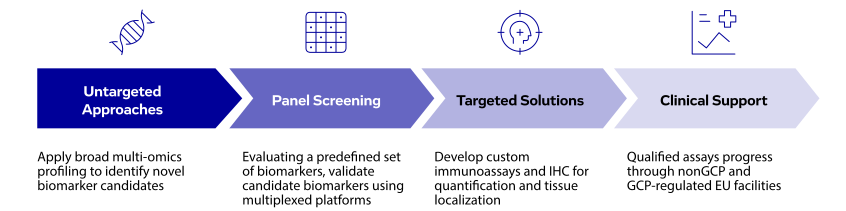
Figure 2. Diagram illustrating Evotec’s expertise in multi-omics biomarker solutions: from untargeted approaches to panel screening and targeted solutions to clinical support under non-GCP and GCP conditions.
Multi-Omics Patient Stratification in Autoimmune Disease
Aim: To identify disease-specific protein signatures that stratify autoimmune disease patients (Crohn's disease, Inflammatory Bowel Disease, Lupus, and Multiple Sclerosis) into treatment responders and non-responders.
Method: Evotec initiated a non-interventional clinical trial to access high-quality clinical samples with associated clinical data. The evaluation combined targeted immuno-response profiling with Olink® Reveal Panel analysis for integrated multi-omics profiling (Figure 3).
Outcome: This approach identified disease-specific protein signatures that successfully distinguished responder and non-responder patient populations, providing critical insights into disease mechanisms and guiding precision medicine strategies across development stages.
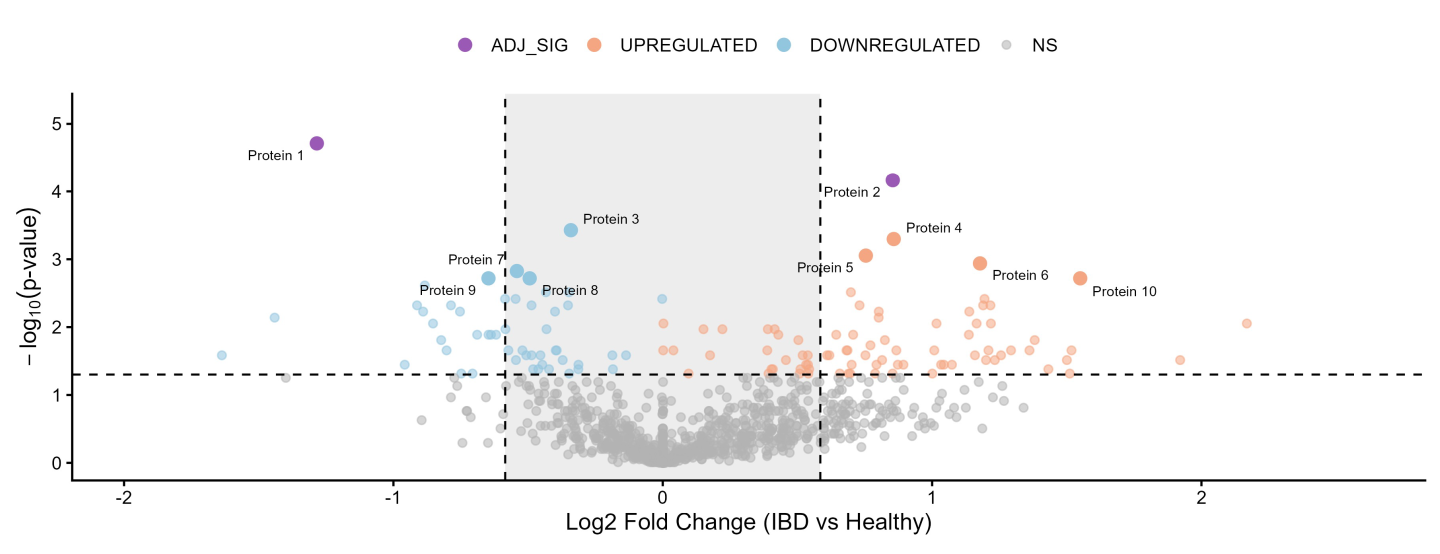
Figure 3. Volcano plot depicting the differential proteomic signature of patients with inflammatory bowel disease (IBD) versus healthy volunteers.
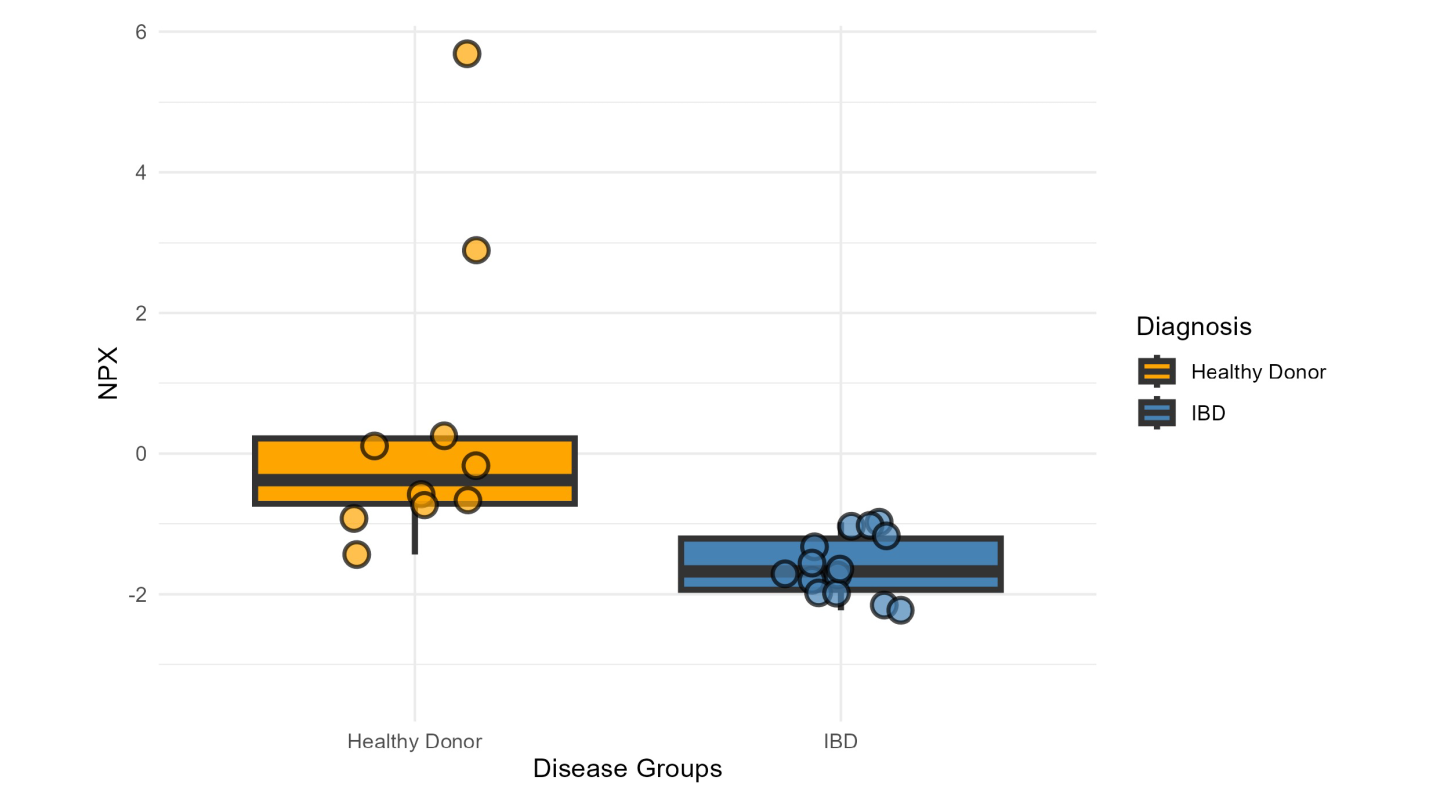
Figure 3. Boxplots for selected proteins are shown, highlighting significant dysregulation in IBD relative to healthy blood samples.
Protein 1
- Downregulated in IBD when compared to health (adjusted p-value - 0.019)
- Intracellular regulatory protein that modulates innate immune signaling, interacts with key components of NF -KB signaling
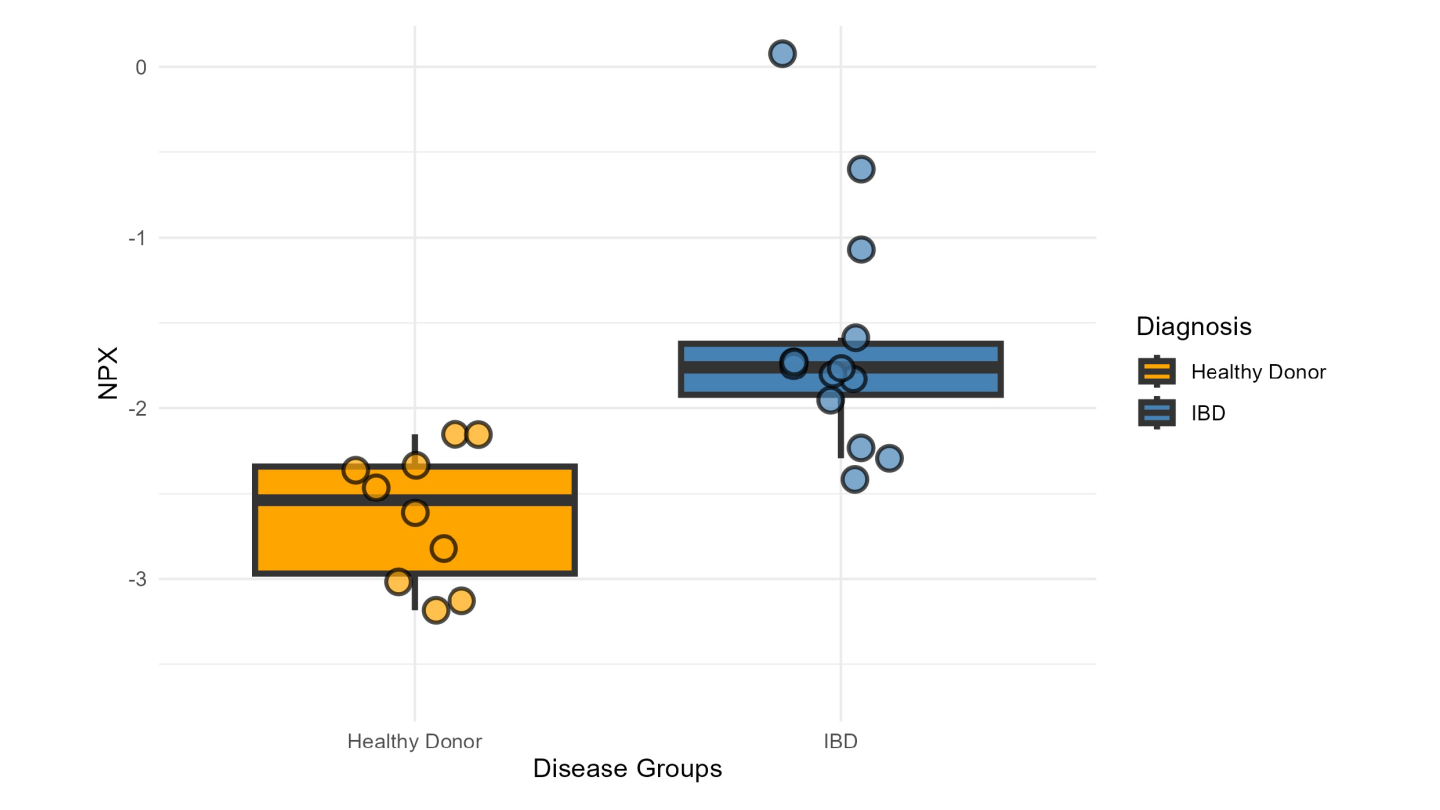
Figure 3. Boxplots for selected proteins are shown, highlighting significant dysregulation in IBD relative to healthy blood samples.
Protein 2
- Upregulated in IBD comared to healthy (adjusted p-value = 0.033)
- Coorelates with signaling pathways like MAPK / PI3K related to inflammatory responses
Partner With Our Multi-Omics Experts
Evotec's multi-omics biomarker platform delivers end-to-end solutions from unbiased discovery through clinical validation. Our integrated approach combines genomics, proteomics, metabolomics, and spatial analysis to accelerate biomarker identification while prioritizing regulatory-ready assay development.
With over 80 experts and both non-GCP and GCP-regulated facilities, Evotec supports translational programs from target engagement studies to patient stratification strategies in clinical trials.
Ready to advance your biomarker program? Contact our translational biomarker team to discuss how our multi-omics expertise can support your precision medicine strategy.
Frequently Asked Questions
Can Evotec's multi-omics assays transition from discovery to dedicated fit-for-purpose?
Yes, Evotec’s multi-omics assays can transition from discovery to dedicated fit-for-purpose.
The transition begins with the identification of robust candidate biomarkers through untargeted multi-omics profiling, followed by assay optimization using appropriate platforms (LC/MS, immunoassays, quantitative polymerase chain reaction [qPCR], or multiplex panels) tailored to the target and regulatory pathway.
How do we guarantee the analytical validity of the dedicated assay?
We guarantee analytical validity by rigorously optimizing assay conditions and performing repeated measurements across diverse sample types to assess sensitivity, specificity, and reproducibility.
What platforms (e.g., ELISA, qPCR, mass spectrometry) are most suitable for dedicated assays, and how are they chosen?
Platform selection is driven by target abundance and detectability, required dynamic range, multiplexing vs. single-plex needs, sample volume, and regulatory intent.
Does Evotec support specialized biological matrices for multi-omics analysis?
Yes, Evotec supports tissue resections (fresh or Formalin-Fixed Paraffin-Embedded [FFPE]), biopsies, plasma, serum, cerebrospinal fluid (CSF), and specialized matrices, including sperm and tears. Matrix effects are evaluated during assay development to verify analytical validity across sample types.
Can assays transition into clinical trials?
Yes, Evotec’s assays can transition into clinical trials. Our assays are engineered for translation, with fit-for-purpose qualification and progression to GCP validation when needed.
Are Evotec’s biomarker facilities available in North America?
Yes, our facilities span the globe, including the USA, where we plan to continue to build out our biomarker unit capabilities.