About the Webinar
Tissue engineering using stem cells represents a promising approach to repair bone damage caused by aging and trauma. However, the exact mechanisms behind the differentiation of skeletal stem cells have remained elusive.
Our expert speaker will discuss the increasing evidence that microRNAs (miRNAs) can regulate gene expression and orchestrate stem cell differentiation, which may help us to understand how to “crack the code” of stem cell differentiation.
He will also discuss how these miRNAs represent attractive targets for oligonucleotide therapy to stimulate bone and cartilage regeneration, a promising avenue for skeletal injury treatment.
This webinar covers:
- Regenerative medicine as a potential treatment avenue for skeletal injuries
- The importance of the non-coding RNAome in understanding stem cell differentiation
- miRNAs as a promising target for oligonucleotide therapies
Meet the Speaker
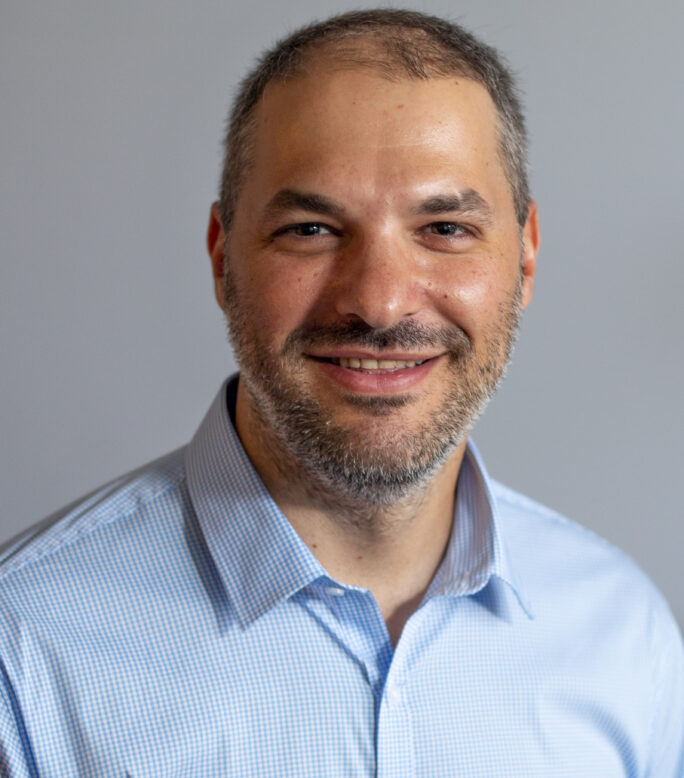
Andrea Lolli
Assistant Professor, Bone Tissue Engineering Research Group
Erasmus Medical Centre
Andrea Lolli is Assistant Professor in the Bone Tissue Engineering Research group at Erasmus MC University Medical Centre Rotterdam, The Netherlands. His research focuses on the development of therapeutic strategies based on non-coding RNAs for bone and cartilage regeneration.
Andrea obtained his PhD in Molecular Medicine and Pharmacology at the University of Ferrara, Italy. During this time, he developed a growing interest in the mechanisms that guide stem cell differentiation, and the application of this knowledge to regenerate cartilage and bone. In his PhD project he established gene silencing strategies using siRNAs and antimicroRNAs to induce the chondrogenic differentiation of stem cells without growth factors. In 2016 Andrea moved to the Netherlands for a postdoctoral position at Erasmus MC within the Marie Curie ITN TargetCaRe. Following-up on his work, he developed a microRNA therapy approach to enhance cartilage repair in vivo, by targeting implanted or endogenous progenitor cells with antimicroRNA-activated materials. In 2019 Andrea started his work in the Bone Tissue Engineering group. This allowed him to broaden his research focus with the study of the mechanisms of endochondral bone formation, ultimately leveraging non-coding RNA modulation for large bone defect repair.
If the webinar has not loaded above, please follow the link here.


